
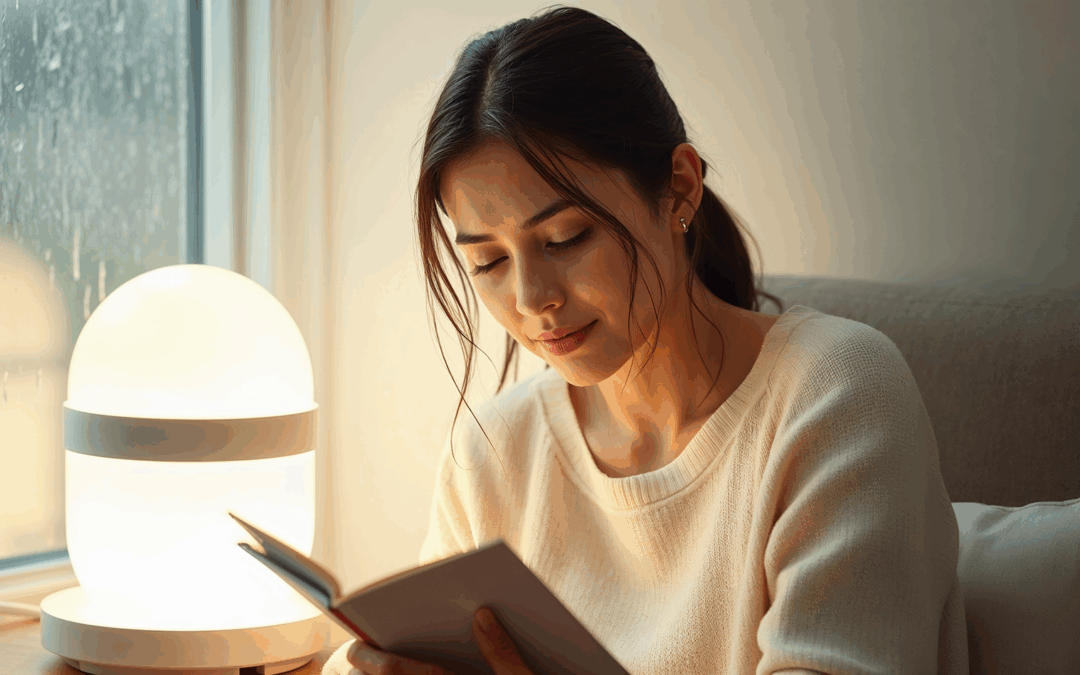
First things first: before you run out and buy a sun lamp, consult with your doctor. Light therapy is generally considered a safe, drug-free way to brighten seasonal mood dips, but it’s not a one-size-fits-all solution. A professional can help make sure it’s a good fit for you, especially if you have other mental or physical health considerations. With this being said, as winter sets in, for women who struggle with low mood and fatigue, light therapy may offer some relief.
Why Women Are More Vulnerable
When daylight fades and temperatures drop, millions of people experience a dip in energy and mood, but for some women, this mood shift may result in Seasonal Affective Disorder (SAD), a type of depression that often appears in the fall and winter months when daylight hours grow shorter. Women are also four times more likely than men to develop SAD, according to the American Psychiatric Association. Why? The reason involves a mix of hormonal, biological, and social factors – understanding them is key to finding relief.
Hormones and brain chemistry play a major role. Fluctuations in estrogen and progesterone influence how the brain regulates serotonin, the neurotransmitter tied to mood and well-being. During shorter days, when sunlight exposure drops, serotonin levels can dip even further, leaving some women especially prone to sadness, irritability, and low energy.
Periods of hormonal transition, such as postpartum recovery, perimenopause, or the premenstrual phase, can intensify these effects. Combined with disrupted sleep patterns, these hormonal transitions can lead to seasonal mood changes. Let’s also not forget the daily grind. Many women are balancing work, family, caregiving, and about a thousand other tasks, leaving little time for sunlight or self-care. The result? Less vitamin D, more stress, and a perfect storm for seasonal gloom.
How Sun Lamps Can Help
Light therapy is a well researched treatment for SAD. Sun lamps are designed to mimic natural sunlight and can help regulate your body’s circadian rhythm while boosting the production of serotonin and melatonin, the hormones that influence sleep.
How It Works
- Brightness: Most therapeutic lamps emit around 10,000 lux of light – much brighter than normal indoor lighting.
- Timing: Morning use is most effective; it helps cue your body to wakefulness and can lift energy early in the day.
- Consistency: Benefits build over time. Regular use, ideally every day during the darker months, tends to yield the best results.
Beyond the Light Box
Remember that sun lamps work best as part of a holistic approach. Think of light therapy as your starting point, not your only move and, consider pairing it with other mood-friendly habits:
- Exercise regularly – a brisk 30-minute walk in daylight does wonders.
- Stick to a sleep schedule – your brain loves consistency.
- Eat well – especially foods rich in omega-3s and vitamin D.
- Get outside when you can, even on cloudy days; natural light still counts.
If you notice that your symptoms are not improving or worsening, be sure to consult with your healthcare provider. Antidepressants or cognitive behavioral therapy (CBT) can also be combined with light therapy for stronger, longer-lasting results.
DOWNLOAD YOUR Complimentary e-Guide TODAY
4 Point Guide to Building a Lifestyle That Prioritizes Your Mental Health
This content is for informational purposes only and does not constitute or substitute professional mental health services rendered by a licensed mental health provider.