
Love, Partnership, and Emotional Well-Being
For generations, women were often taught that finding a partner was one of life’s greatest accomplishments. Marriage and long-term relationships were viewed as milestones that signified success, stability, and happiness. While many women still desire loving, healthy relationships, a growing number are making a different choice: they’re prioritizing peace over partnership.
This shift isn’t about giving up on love or believing that relationships are inherently unhealthy. Instead, it reflects a growing awareness that self-respect and emotional well-being are worth protecting, even when that means choosing not to be partnered.
A Full Life Redefined
Sure, a fulfilling life can include romantic love, but it’s not defined by it. Meaningful friendships, family connections, purpose-driven work, spiritual growth, hobbies, community involvement, and personal passions also contribute to a satisfying life.
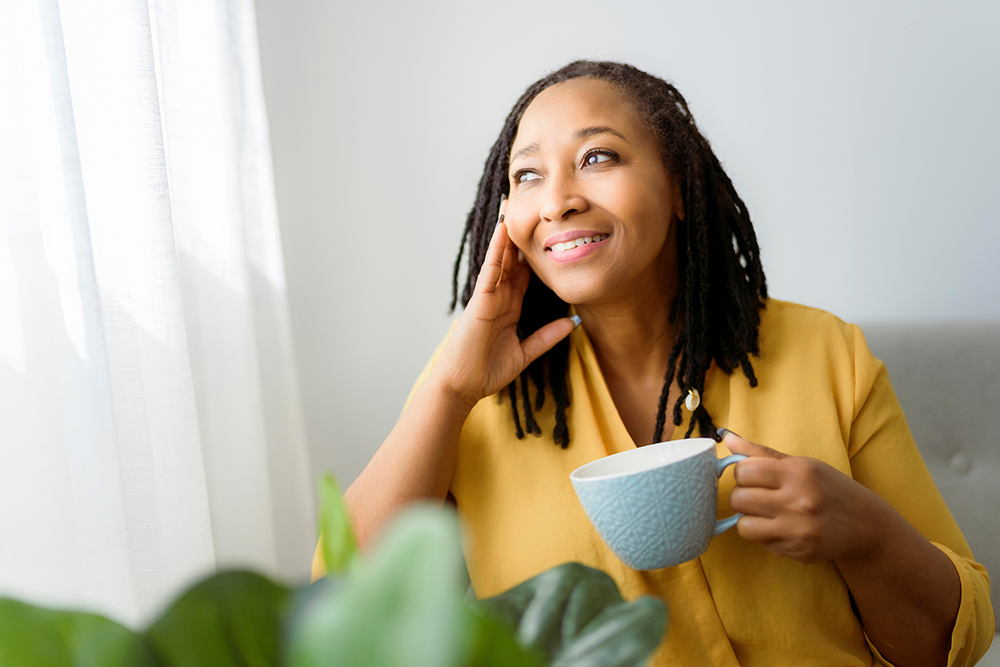
For many women, choosing peace is a commitment and a return to themselves. It means reclaiming the parts of themselves that were diminished by people-pleasing, overfunctioning, or relationships that asked them to give more than they received. It’s a decision to honor their humanity.
Ironically, prioritizing peace often creates the healthiest foundation for future relationships. When someone knows their worth and has built a life they genuinely enjoy, they’re more likely to attract and choose partners who contribute to that peace rather than disrupt it.
How This Shift May Look Across the Generations
While the desire for peace may be universal, I’ve found that the reasons women prioritize it often differ depending on the generation they belong to. Their experiences with relationships, work, family, and culture have likely shaped what they value and what they’re willing or unwilling to accept.
Generation Z (Born 1997–2012)
For many of my Generation Z clients, mental health isn’t an afterthought; it’s a priority. They’re often more comfortable discussing boundaries, emotional intelligence, attachment styles, and therapy than previous generations were at the same age.
Many Gen Z women are taking their time entering serious relationships. They’re more likely to ask whether a relationship feels emotionally safe, whether there’s mutual respect, and whether a partner contributes positively to their overall well-being. Rather than viewing singlehood as something to “fix,” many see it as an opportunity to grow and discover who they are.
Millennials (Born 1981–1996)
Millennial women often balance multiple roles while also questioning long-standing relationship expectations. Many of my clients experience dating in both the pre-social media and app-based platforms, giving them a unique perspective on modern-day romance.
Some have spent years investing in relationships that required significant emotional labor or compromise. As a result, they’re now less interested in relationships that create stress and more interested in partnerships built on mutual support, communication, and shared responsibility. Peace may mean waiting longer for a healthy relationship rather than settling for one that feels emotionally draining.
Generation X (Born 1965–1980)
Most of my Generation X clients have navigated decades of work, caregiving, marriage, divorce, or raising children. Having so much lived experience, they often possess greater clarity about what contributes to their well-being.
For some, peace means enjoying an empty nest, rediscovering personal interests, strengthening friendships, or focusing on their physical and emotional health. Others may choose to remain single after divorce or widowhood because they’ve learned that independence and emotional stability are deeply fulfilling. If they pursue another relationship, it’s often because they genuinely desire healthy companionship, not because they feel incomplete without it.
Peace Doesn’t Mean Closing the Door on Love
Choosing peace over partnership doesn’t mean rejecting love. Rather, it means redefining what love should feel like.
Healthy relationships should provide emotional safety, mutual respect, and trust. They should reduce stress more often than they create it.
Women across every generation are increasingly recognizing that being in a relationship isn’t, by itself, a measure of success. Instead, whether she’s in her twenties, forties, sixties, or beyond, today’s women are reflecting on a different question than generations before her. Instead of asking, “Is this my person?” she’s asking, “Does this relationship align with my peace?”
A Note About Perspective
These reflections are informed by patterns I’ve observed in my clinical practice. As a psychologist, I’ve had the privilege of working with women across the three generations discussed – from a variety of backgrounds. Many have described a growing desire to protect their emotional well-being by prioritizing peace over simply being in a romantic relationship. While every woman’s story is unique, these recurring themes have been meaningful enough to share.
DOWNLOAD YOUR Complimentary e-Guide TODAY
4 Point Guide to Building a Lifestyle That Prioritizes Your Mental Health
This content is for informational purposes only and does not constitute or substitute professional mental health services rendered by a licensed mental health provider.